

Description
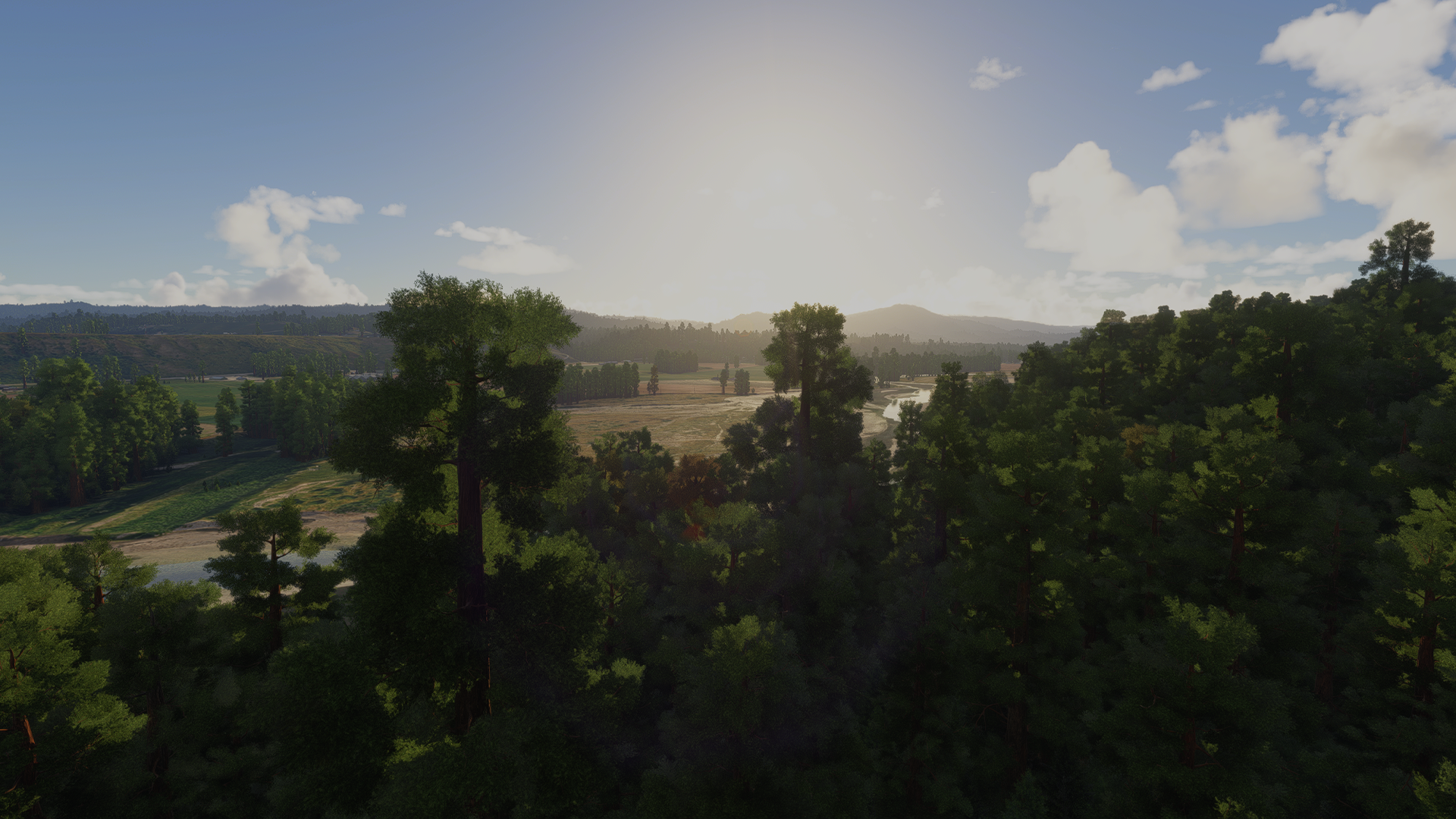
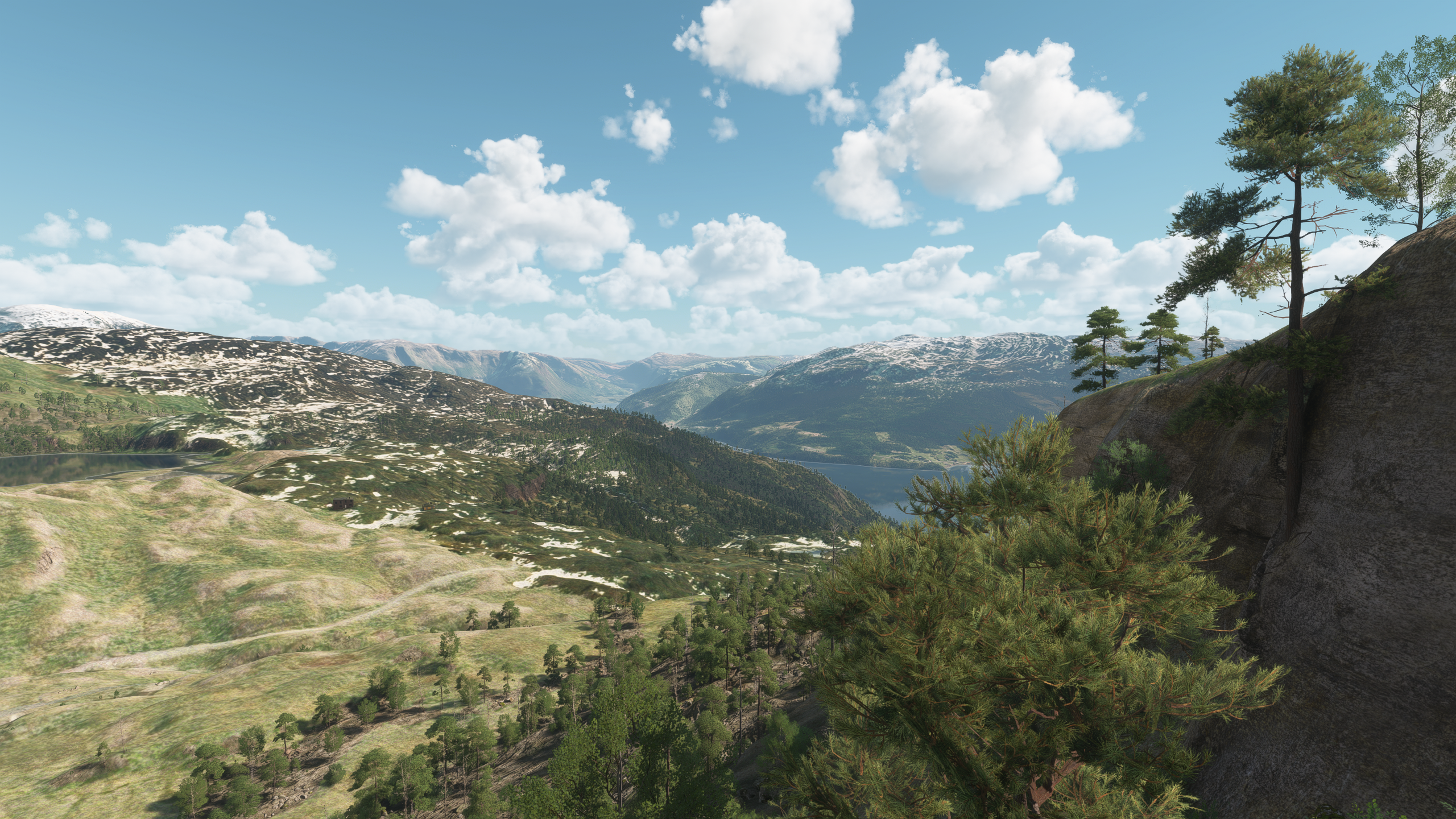
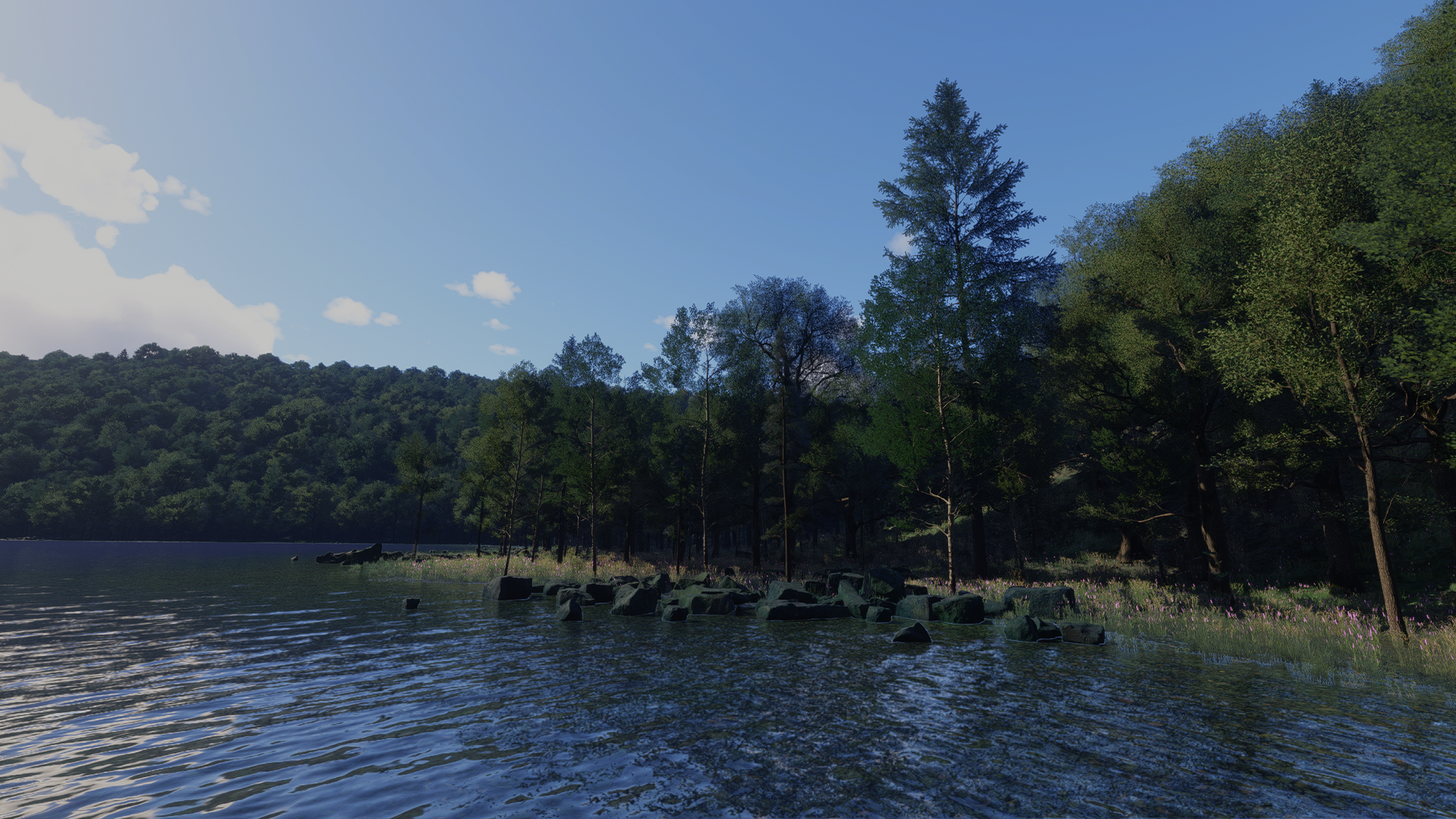
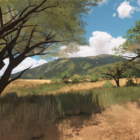
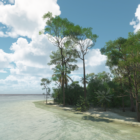
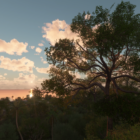
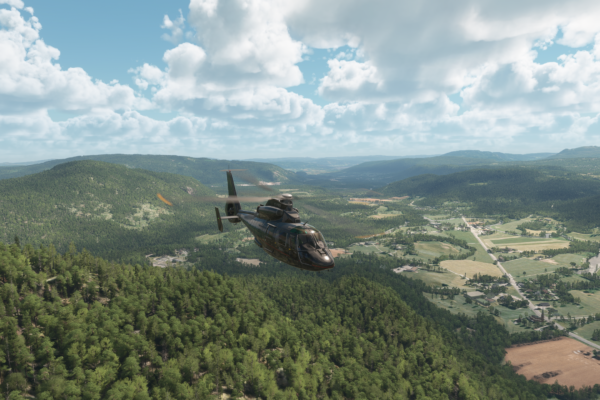
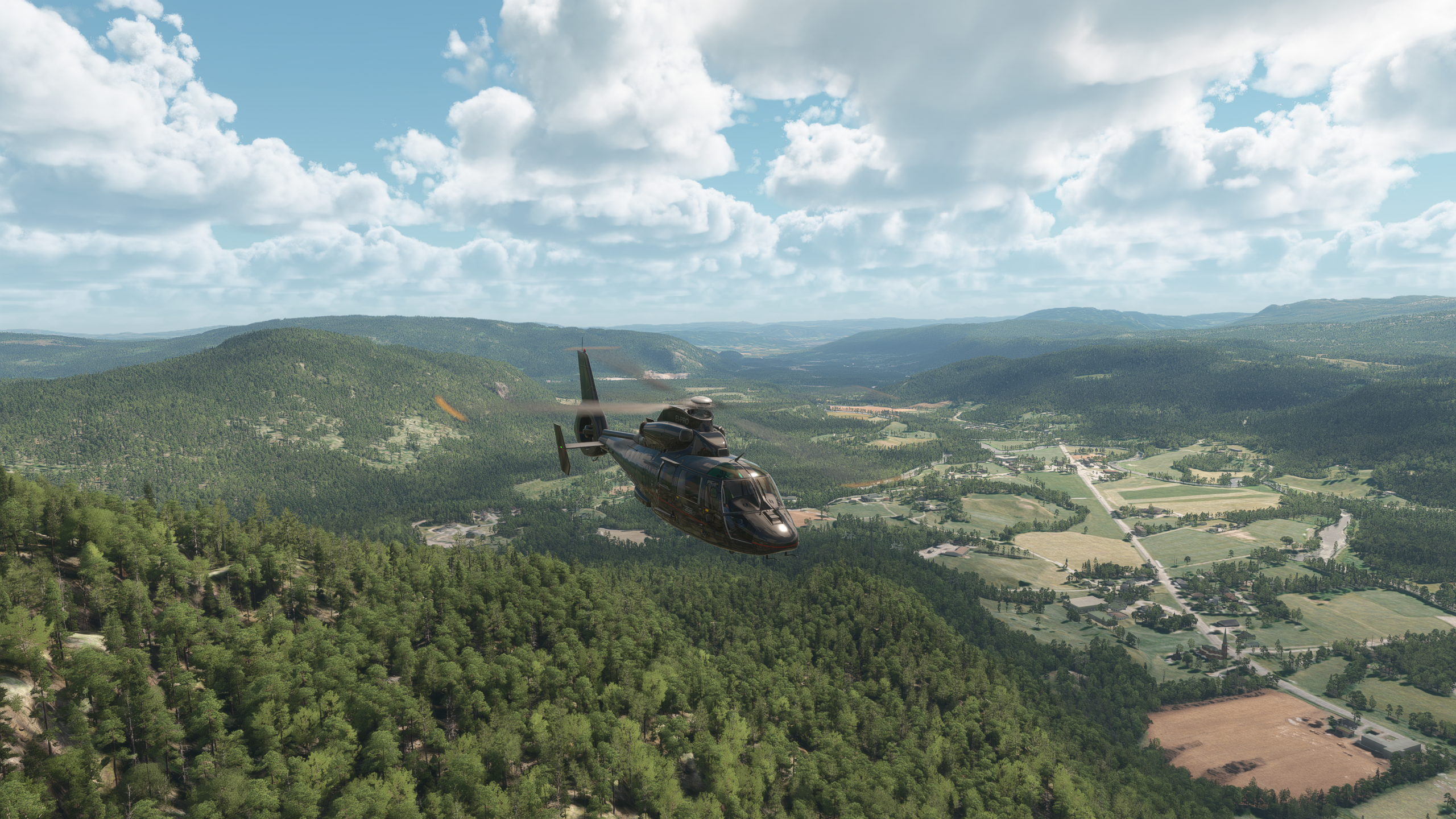
BBD Global Vegetation Enhancement is a worldwide vegetation overhaul for Microsoft Flight Simulator 2024, built to make the world’s forests, towns, wetlands, grasslands, deserts, plantations, and seasonal landscapes look far more believable from the air.
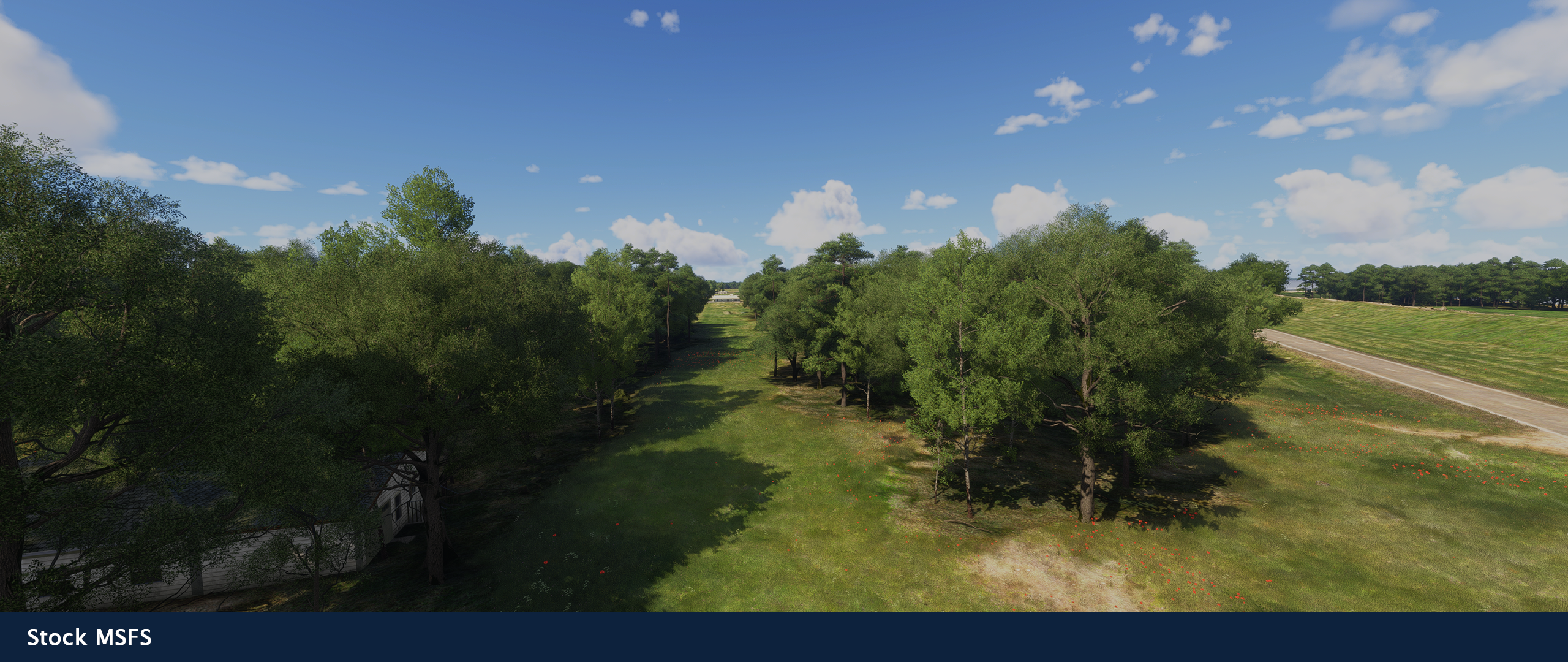
Stock vegetation in MSFS 2024 often looks too uniform: the same tree heights, similar densities, generic city planting, abrupt seasonal changes, sparse broadleaf forests, and vegetation that does not always match the landscape below. This package rebuilds that experience with global biome-aware tuning across all 848 MSFS 2024 ecoregions.
This is not a simple “more trees” or “bigger trees” mod. It is a comprehensive global vegetation pass built from 358 XML files: 242 TreeSpecies, 34 PlantTypes, 61 GrassTypes, 7 CropSpecies, and 8 RockTypes.
Global Coverage
- 848 / 848 MSFS 2024 ecoregions covered using Microsoft/Asobo’s own local ecoregion names.
- Dedicated tuning for broadleaf forest, conifer forest, boreal taiga, rainforest, savanna, Mediterranean woodland, chaparral, desert scrub, tundra, wetland, mangrove, grassland, steppe, island biomes, plantations, and urban vegetation.
- Worldwide improvements across Europe, North America, South America, Africa, Asia, Australia, New Zealand, the Pacific islands, the Caribbean, and polar and alpine regions.
Realistic Height Banding
- Tree height is no longer one-size-fits-all. Species and variants are scaled to believable visual roles.
- Mature canopy trees such as oak, maple, beech, plane, eucalyptus, pine, larch, Douglas-fir, and tropical canopy species use larger height bands where they belong.
- Young trees, hedges, shrubs, tundra vegetation, orchard trees, and understory plants stay smaller, so they no longer appear as full-size forest trees.
- Urban trees are sized so towns are not filled only with tiny shrubs or oversized forest giants.
- Coastal, alpine, tundra, desert, wetland, and plantation variants use controlled size ranges that match their environment.
- Known outliers such as accidental super-tall broadleaf accents, undersized city trees, tiny broadleaf forests, and overgrown hedge variants have been audited and corrected.
Realistic Density Banding
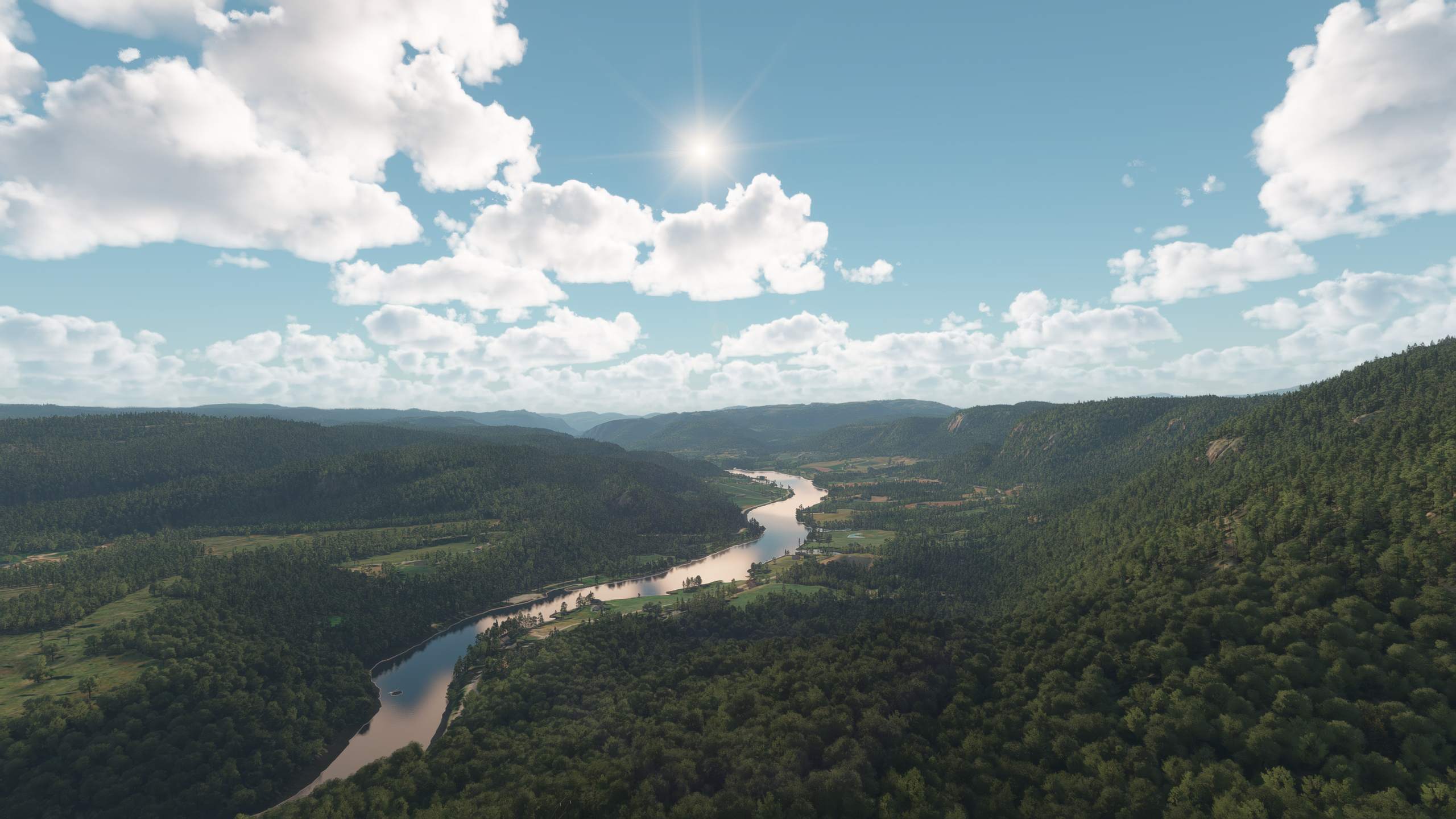
- Closed forests are dense where they should be, including UK and European broadleaf woodland, Eastern North American deciduous forest, Pacific Northwest conifer forest, boreal taiga, rainforest, mangroves, and wetland forest.
- Open landscapes stay open: tundra, steppe, moorland, desert, xeric scrub, alpine grassland, dry savanna, and rocky island vegetation stay appropriately sparse.
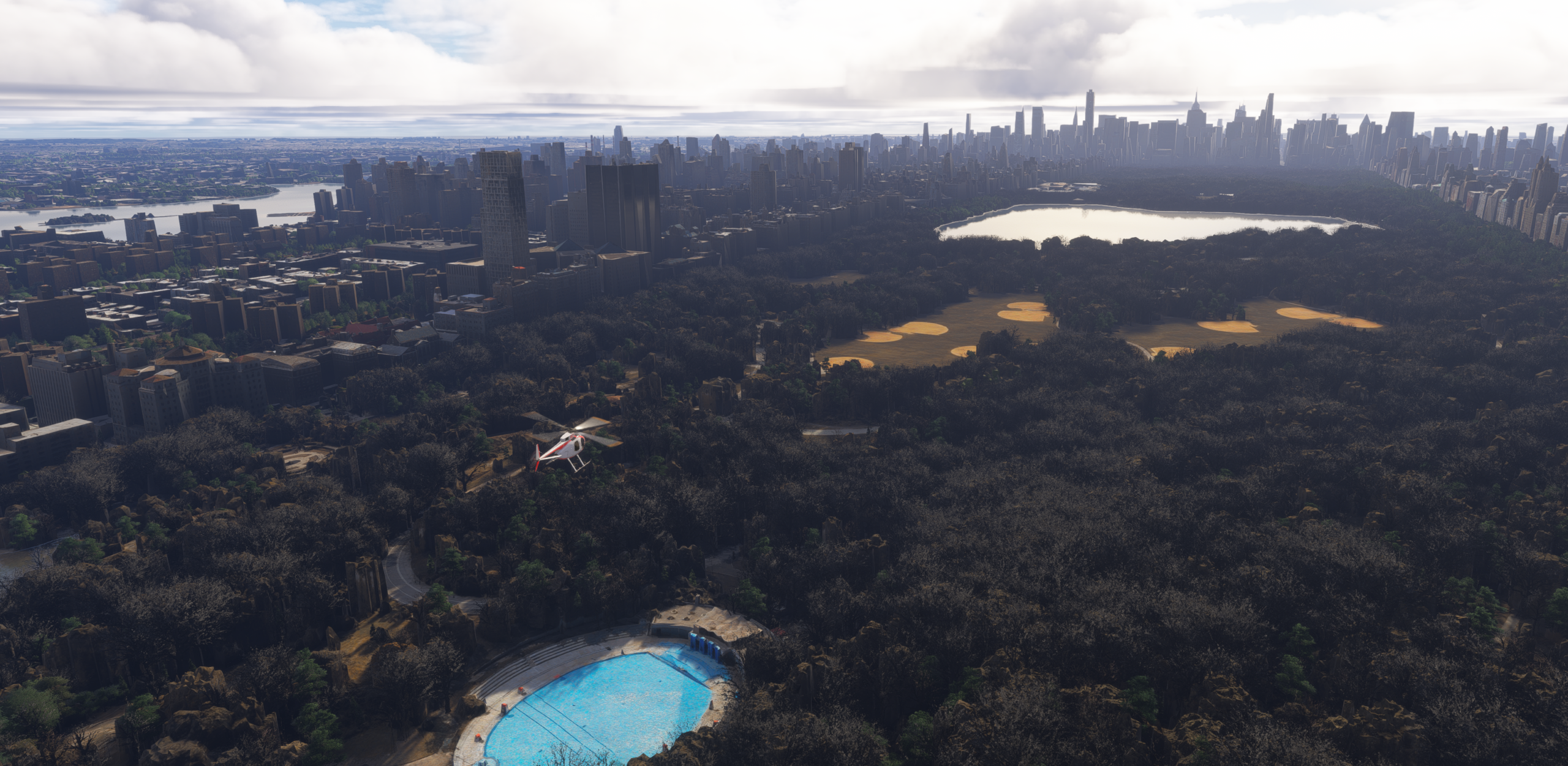
- City density is tuned separately from countryside, so towns, parks, streets, suburbs, industrial edges, and coastal settlements do not all get the same treatment.
- Broadleaf forests received a field-tested density correction after in-sim testing showed deciduous canopies looking too thin from the air.
- Wetlands, mangroves, tropical forests, conifer towns, grassland towns, and Mediterranean settlements each use their own density assumptions rather than one global value.
Natural Species Grouping and Stand Patchiness
- Forests no longer rely on perfectly even species mixing. Spawn-ratio variation creates believable local patches and stands.
- Conifers can appear in groups rather than sprinkled evenly through broadleaf woodland.
- Broadleaf companions, plantation species, wetland trees, tropical canopy proxies, cultural landscape trees, and poplar avenues can form local pockets or rows.
- Distinctive species such as flowering trees, bamboo, palms, and cherry now cluster into believable groves rather than being scattered evenly across every tile.
- This reduces the “pepper pot” look where every tile holds the same tree recipe.
- UK and Atlantic, European, North American, East Asian, tropical, plantation, wetland, island, boreal, and PNV fallback rules all received patchiness passes.
Seasonal Change and Blossom
- Spring leaf-out is staggered globally. Deciduous trees no longer jump from bare winter branches to full green canopies in a single step.
- Different families leaf out at different times: willow and birch early, maple, poplar and plane through mid spring, and oak, beech, hornbeam, robinia and ginkgo later.
- Spring blossom is visible but restrained in the right city and countryside rules, including cherry, apple, hawthorn, almond, and ornamental flowering trees.
- Blossom timing is spread out, so flowering trees do not all bloom and fade at once.
- Autumn colour is staggered across species and variants, so whole regions do not turn at once.
- Seasonal fades use explicit durations, easing the abrupt March-to-April and autumn month-boundary jumps.
- Understory plants join in, with subtle spring green-up, late-season fade, dry-season stress, and wetland and forest-floor variation.
- Grass colour changes stay deliberately conservative to avoid clashing with MSFS terrain textures.
City and Town Vegetation
- Cities are no longer one global vegetation type. The package includes climate-aware city palettes for temperate, tropical, Mediterranean, boreal, arid, grassland, wetland, mountain, coastal, and conifer-town settings.
- Town density is raised where MSFS looked too sparse, including fixes prompted by field testing in Squamish, Edinburgh, Atlanta, and elsewhere.
- Urban canopy scale is improved, so cities carry proper street and park trees instead of only tiny ornamental shrubs.
- Street and parkland variety includes plane and sycamore, oak, maple, birch, Scots pine, cherry blossom, ginkgo, magnolia, jacaranda, palms, cypress, estate trees, and poplar accents.
- City ecoregions were audited and reassigned, so towns use vegetation that fits their real climate and landscape instead of generic stock planting.
Naturalised and Cultural Landscape Species
- Non-native species appear where they are realistic. Many real landscapes carry ornamental, plantation, estate, shelterbelt, or naturalised trees.
- Worldwide cultural accents include cherry blossom, Lombardy-style poplars, estate conifers, rhododendron, cherry laurel, hedgerows, and parkland trees.
- Global city ornamentals include Japanese maple, Japanese flowering cherry, magnolia, ginkgo, liquidambar, robinia, and Ailanthus.
- Plantation and agricultural proxies include radiata pine, eucalyptus, rubber, oil palm, tea, coffee, apple, almond, citrus, vineyard, orchard, and crop-stage vegetation.
- These stay low-ratio regional accents, not blanket replacements for native vegetation.
Wetlands, Mangroves and Riparian Areas
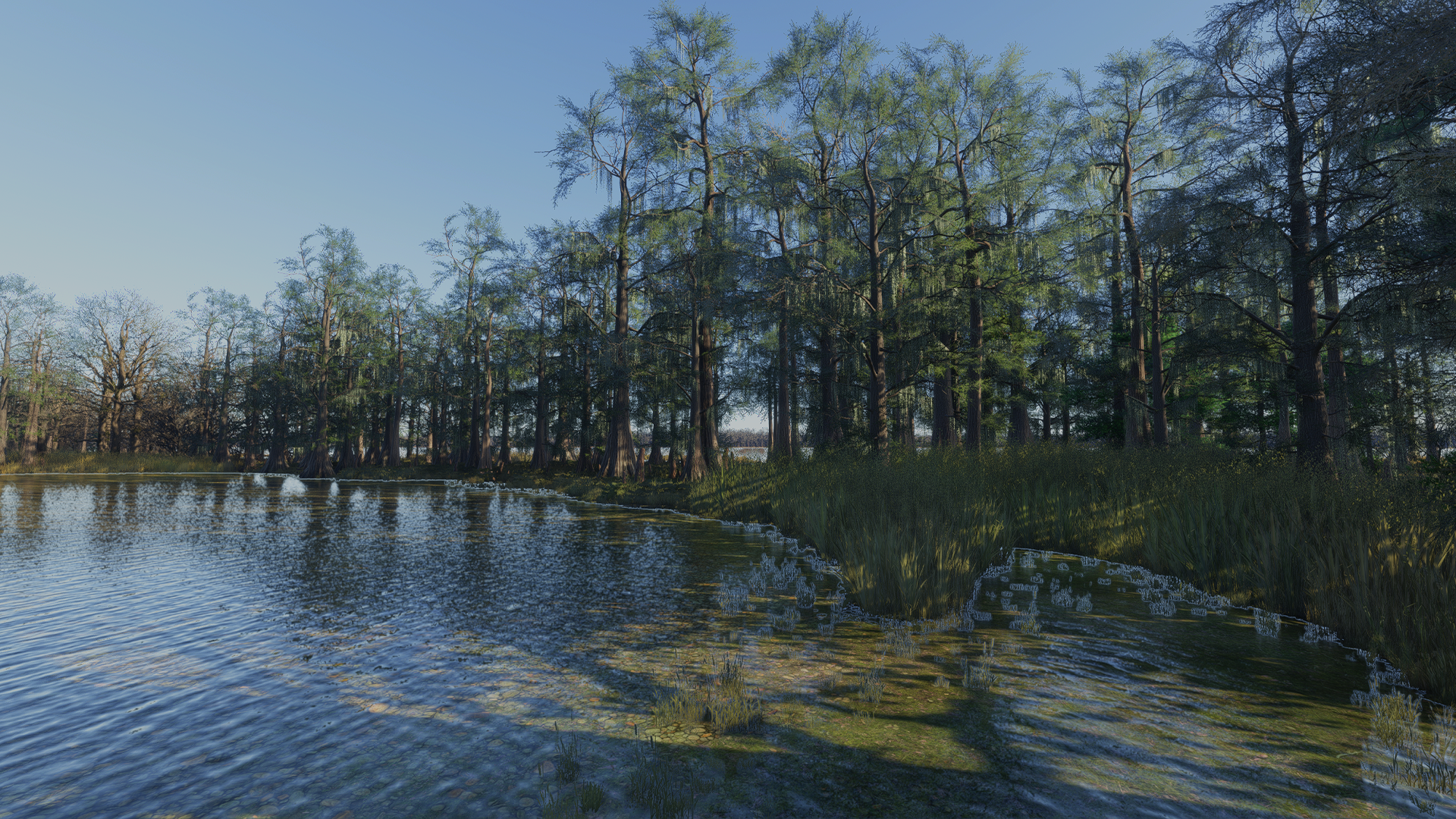
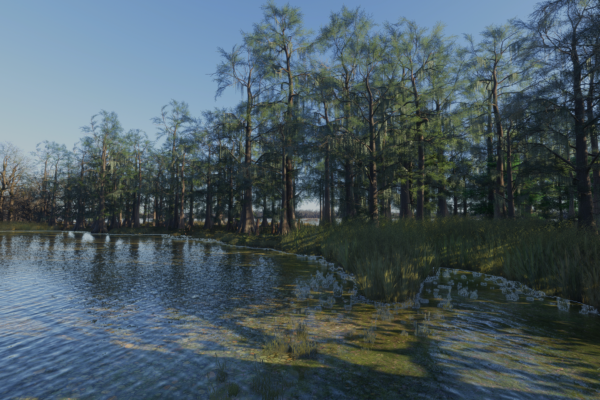
- Mangrove, swamp, marsh, reedbed, riparian, wet tropical edge, and water-edge rules are tuned apart from generic forest vegetation.
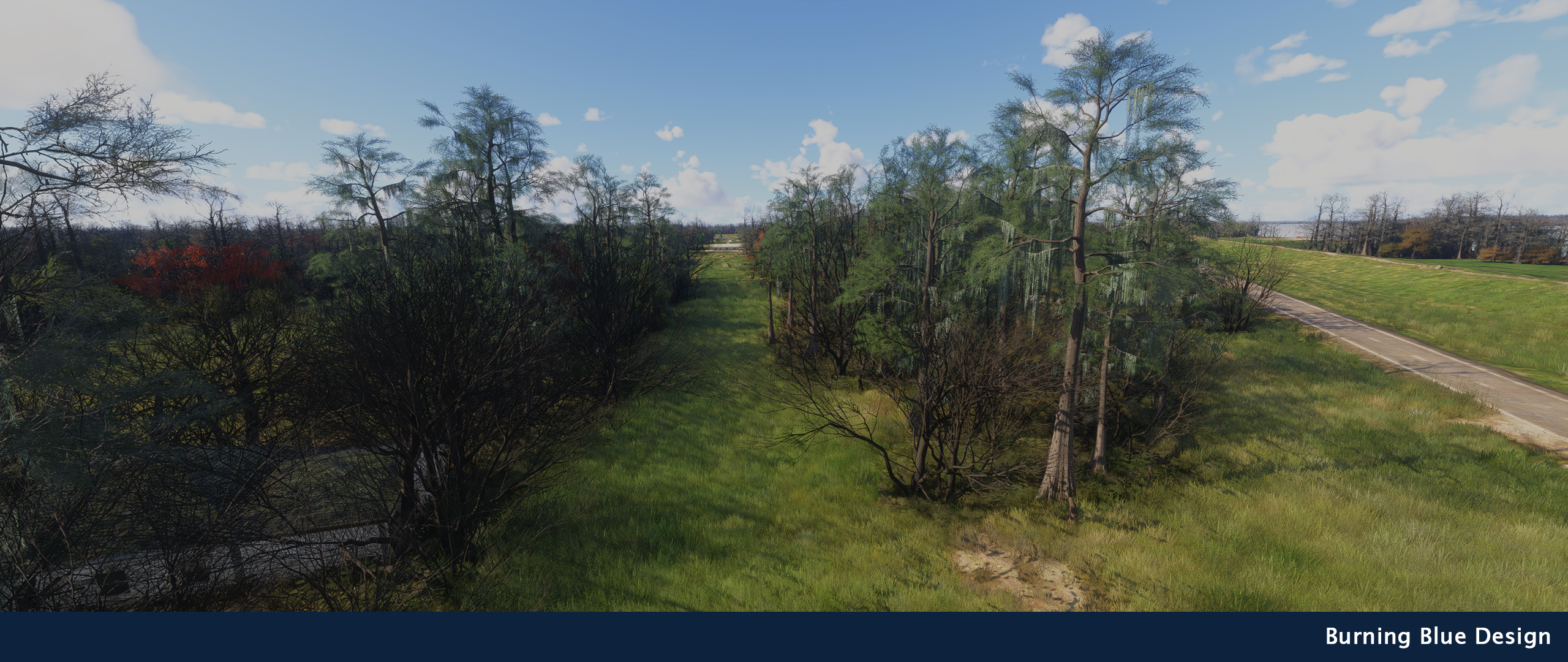
- Bald cypress, willow, mangrove, wetland shrub, and tropical wetland proxies get their own seasonal and density behaviour.
- Water-edge vegetation is patchier and less like a continuous wall of plants.
- Coastal and wetland species use careful altitude and placement limits.
Open Biomes: Deserts, Tundra, Steppe and Savanna
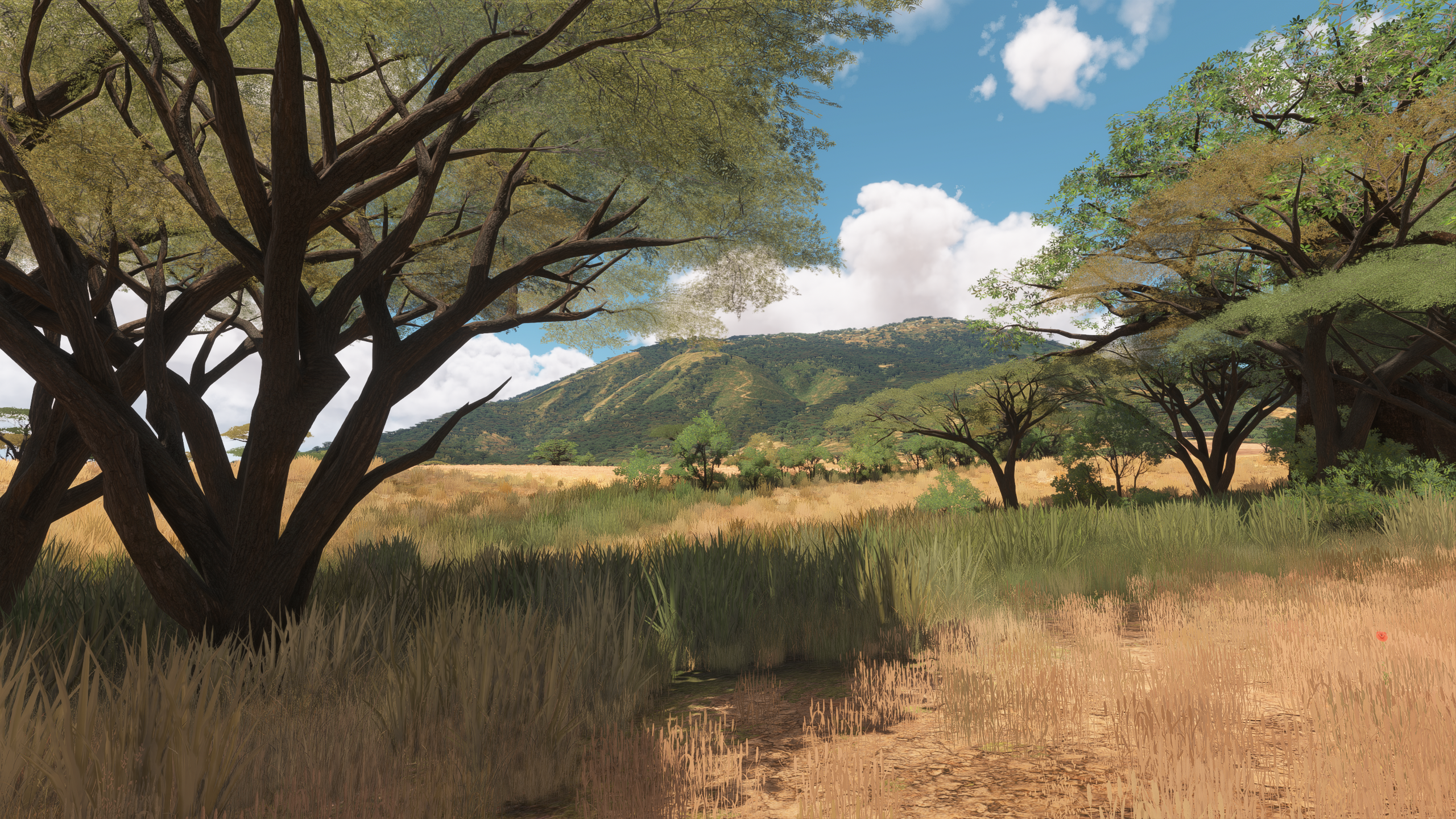
- Deserts remain deserts. Sparse cactus, yucca, date palm, tamarisk, arid shrub, and open scrub appear where they belong, without over-foresting dry regions.
- Tundra and alpine zones stay low and sparse, with dwarf birch, willow, heath, sedge, and cold-climate shrub structure.
- Savannas and grasslands get believable scattered-tree behaviour, with acacia, baobab, mopane-style proxies, steppe shrubs, shelterbelts, and wet and dry transition variety.
- Open-country patchiness keeps every tile from looking like the same sparse recipe.
Crop, Orchard and Plantation Detail
- 7 CropSpecies are included: wheat, corn, rice, cotton, sorghum, rapeseed, and lucerne.
- Crop lifecycle stages cover young, adult, mature, harvested, dormant, stubble, and regrowth.
- Orchard, vineyard, tea, coffee, oil-palm, rubber, eucalyptus, radiata pine, apple, almond, and citrus proxies fill out cultural landscapes and plantation regions.
- Crop and plantation vegetation appears only where it is regionally plausible.
What You Will Notice In Flight
- UK and Western Europe: fuller broadleaf woodland, better seasonal transitions, visible but restrained blossom, hedgerows, Scots pine pockets, estate trees, and Lombardy-style poplars.
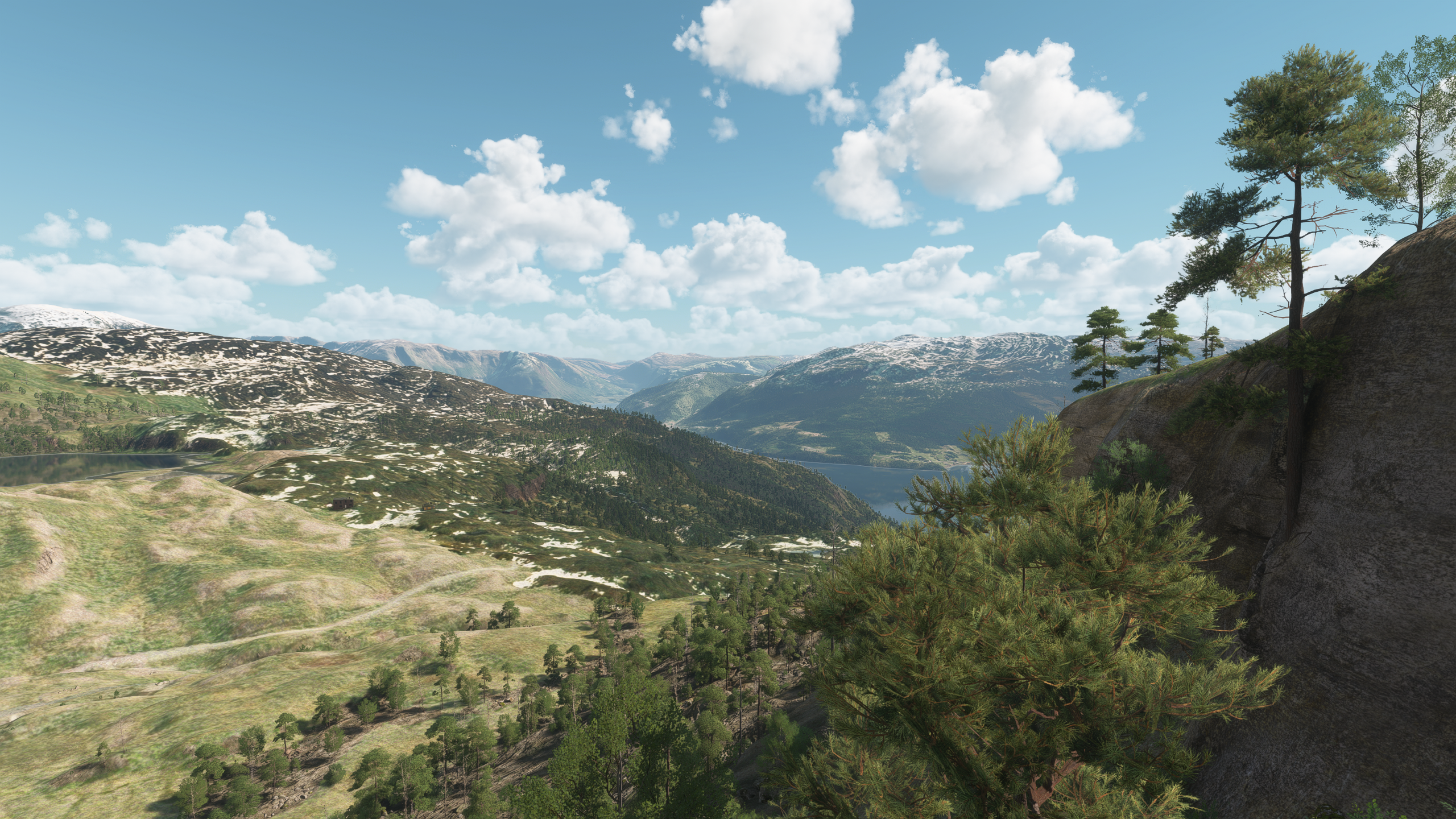
- Scotland and Scandinavia: less sparse conifer structure, more fitting Scots pine and boreal transitions, moorland understory, and better plantation-style grouping.
- Pacific Northwest: denser coastal conifer towns and forests, with Douglas-fir, red alder, maple, cottonwood, and wet conifer influence.
- Eastern North America: richer deciduous forest density, improved spring and fall colour timing, blossom accents, and more varied town planting.
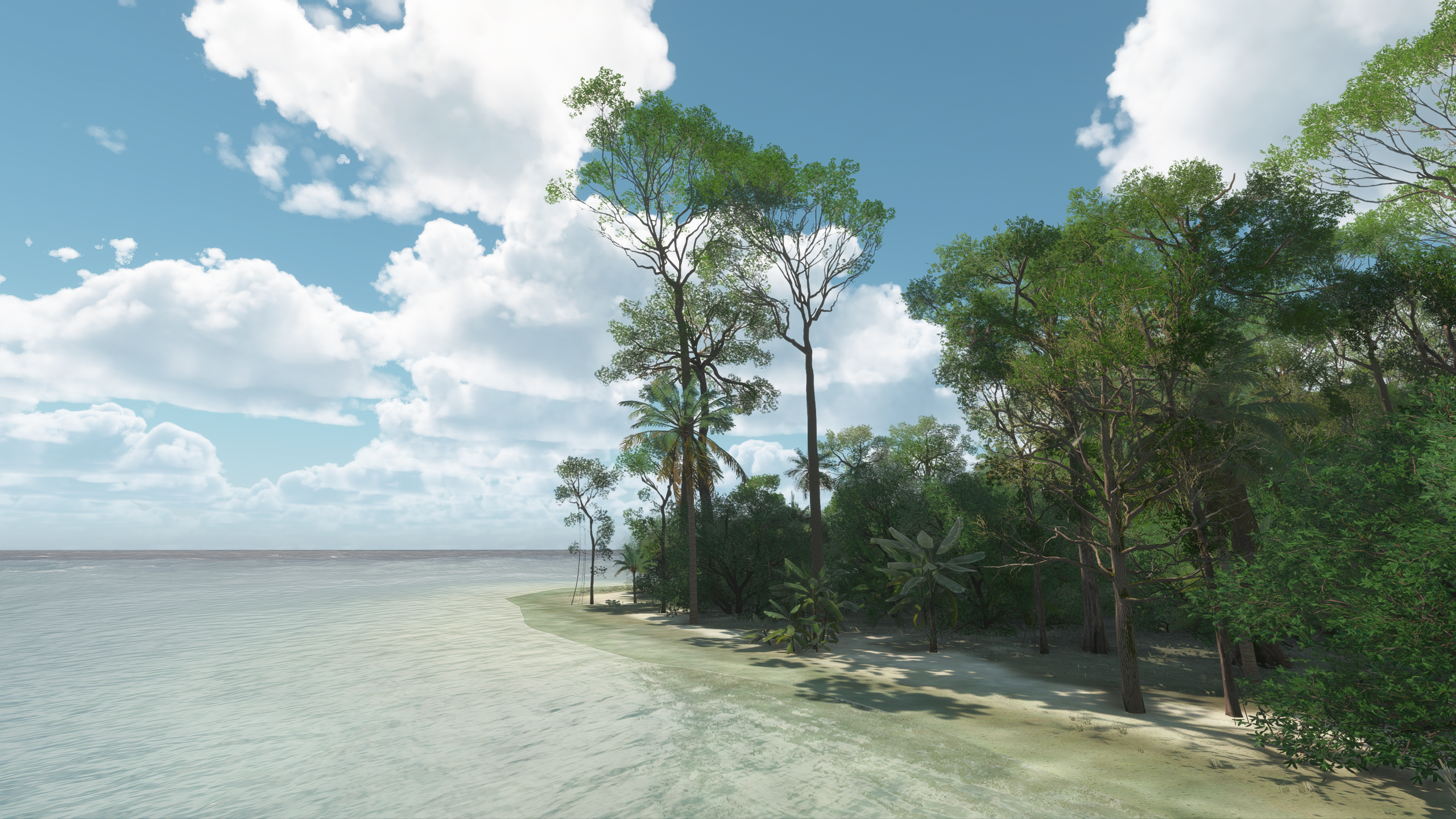
- Tropics: richer rainforest, plantation, island, wetland, tropical city, palm, flowering-tree, and dry-season variation.
- Deserts and tundra: sparse areas stay correctly open, but with better low shrub, cactus, heath, sedge, palm, and dry scrub variety.
- Cities worldwide: better tree density, better canopy scale, less generic planting, and more regional ornamental character.
- Tree species clump together more. Evergreens in the UK, for example, tend to form their own mini-forests rather than being randomly seeded.
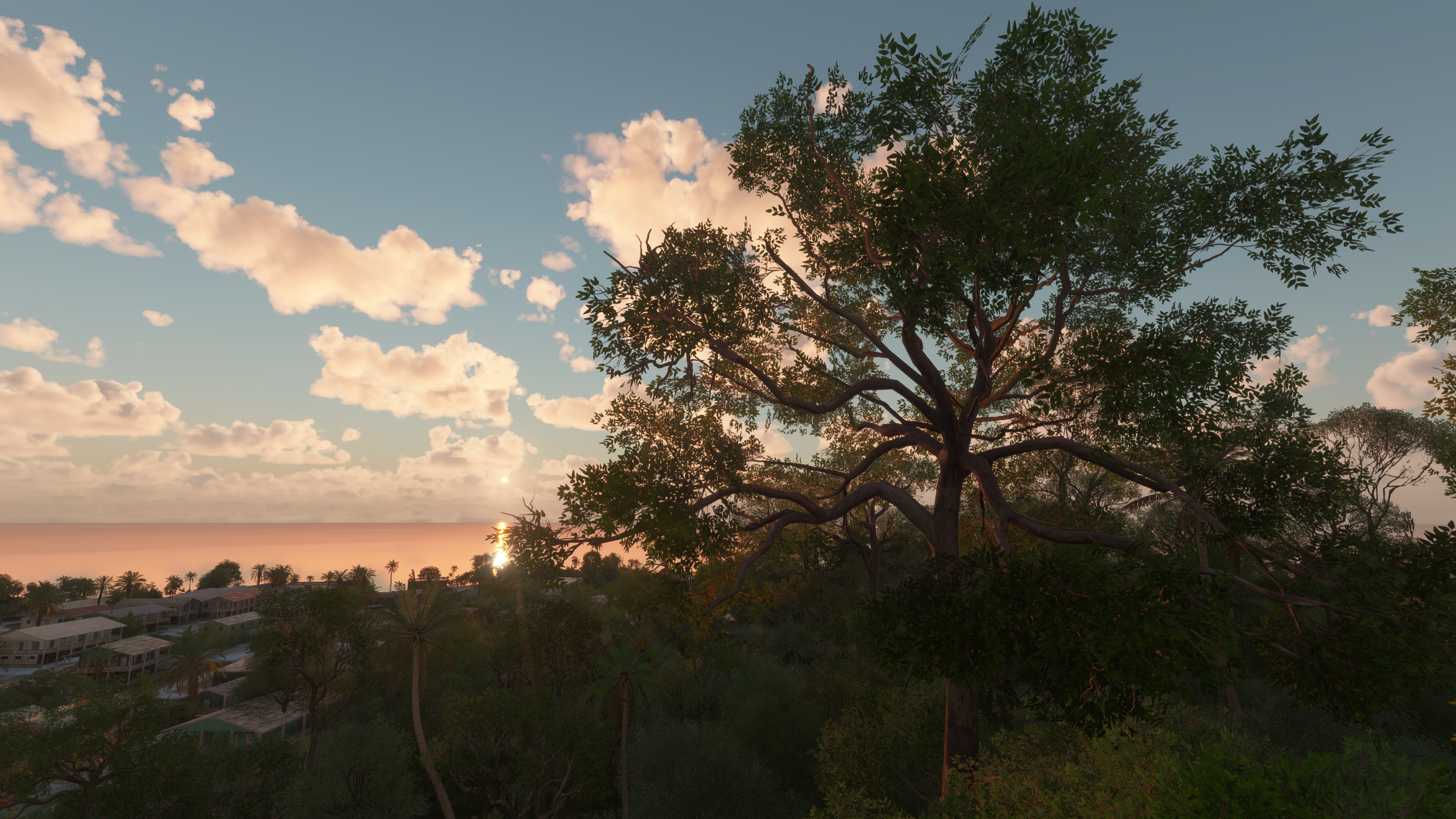
- Emergent trees: an occasional larger-than-normal tree appears, making the forest canopy and skyline far less homogeneous.
Built for Microsoft Flight Simulator 2024
- Designed specifically for Microsoft Flight Simulator 2024.
- Uses MSFS 2024 biome, TreeSpecies, PlantType, GrassType, and CropSpecies definitions, and ships patched RockType assets.
- Maintains exact coverage of Microsoft/Asobo’s local ecoregion set.
- Includes regenerated layout data and full reference validation for clean package loading.
Video Trailer
Image Gallery
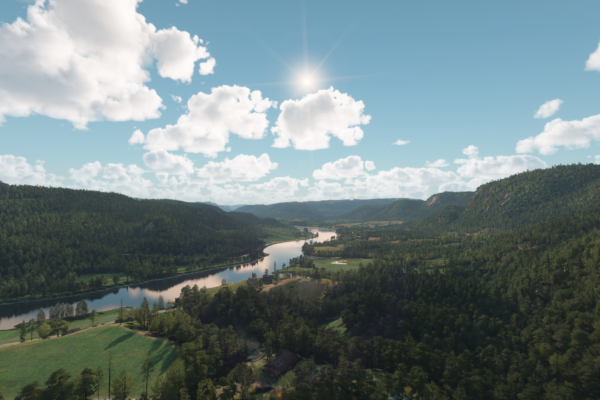
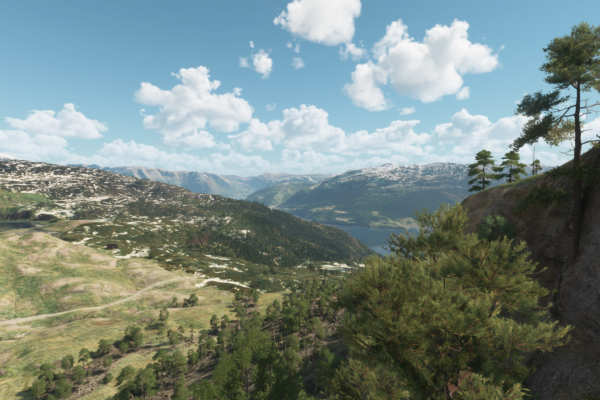
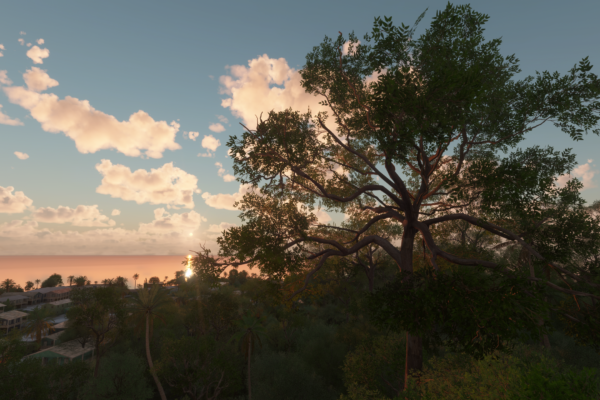
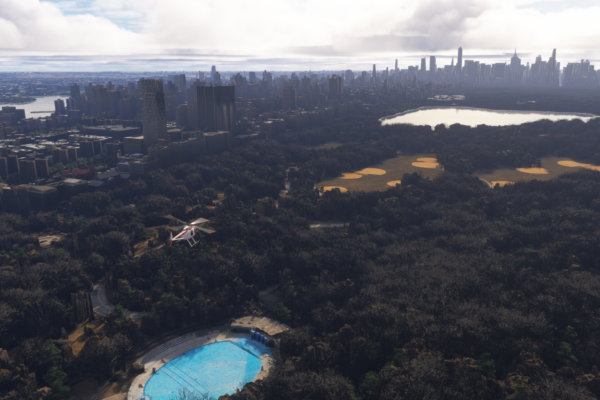
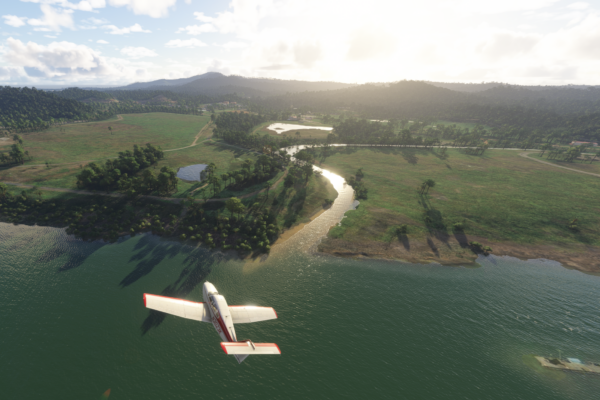
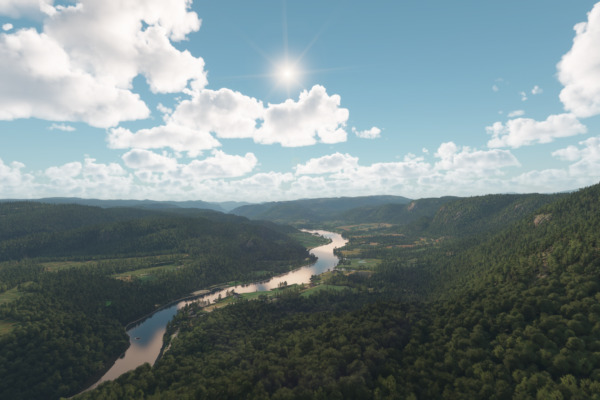
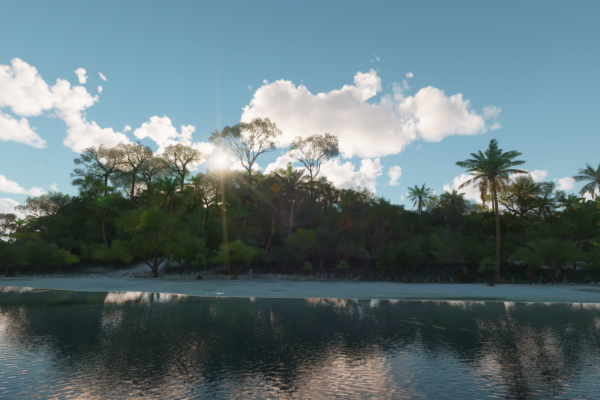
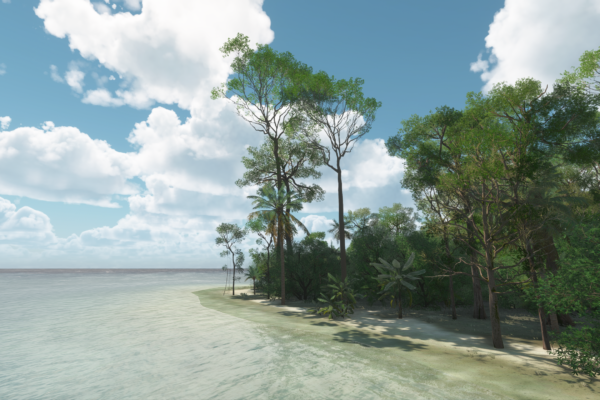
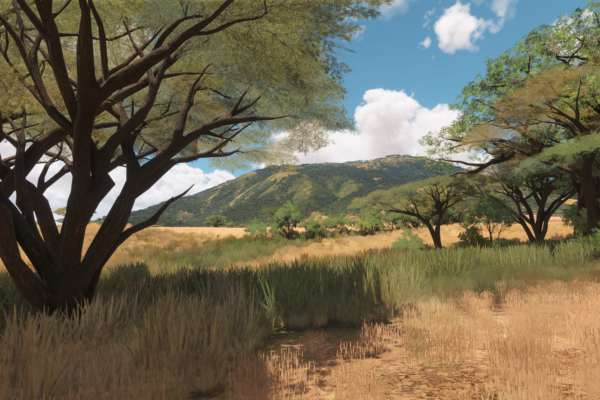
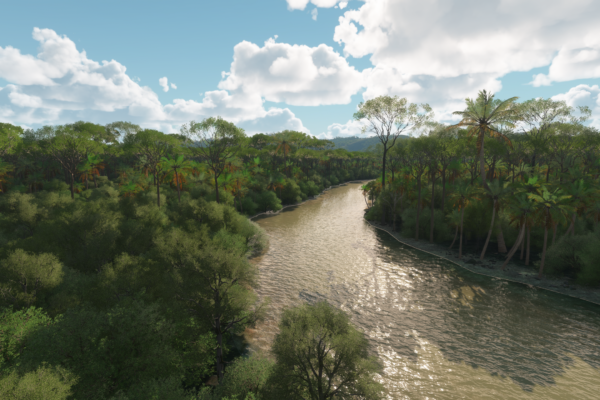
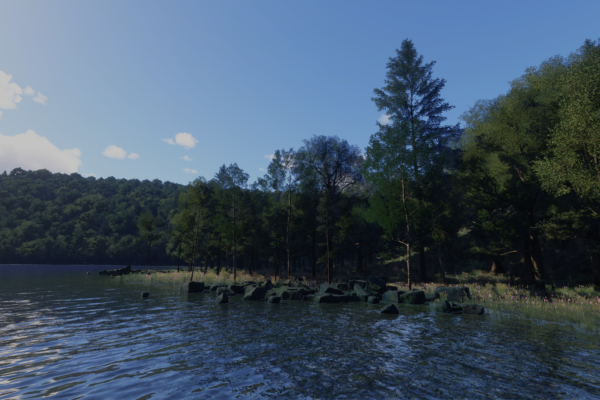
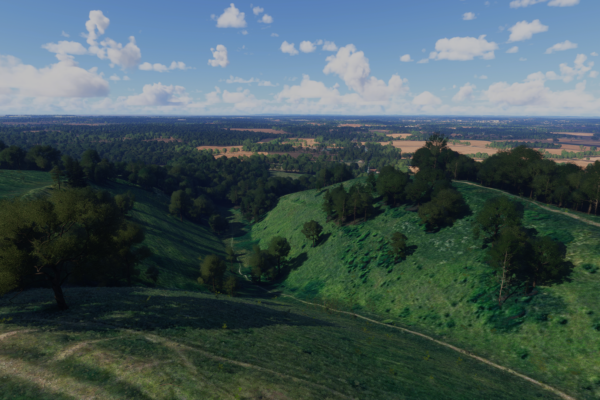
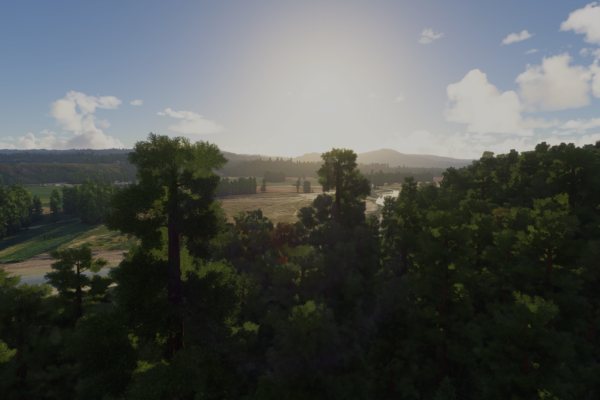
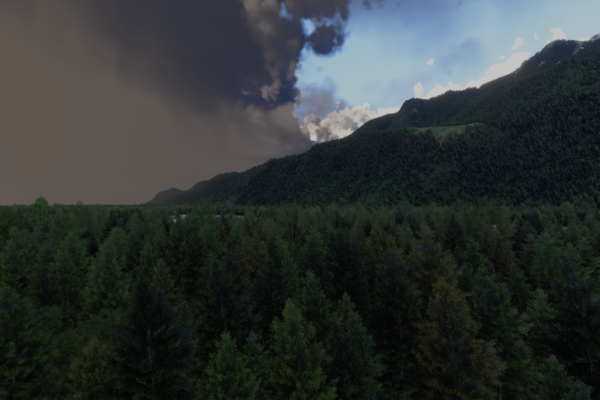
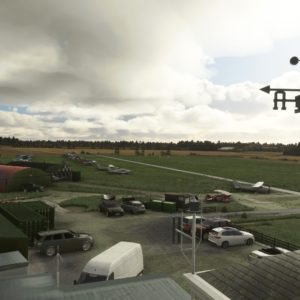
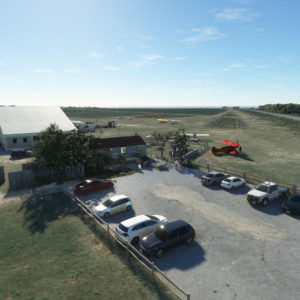
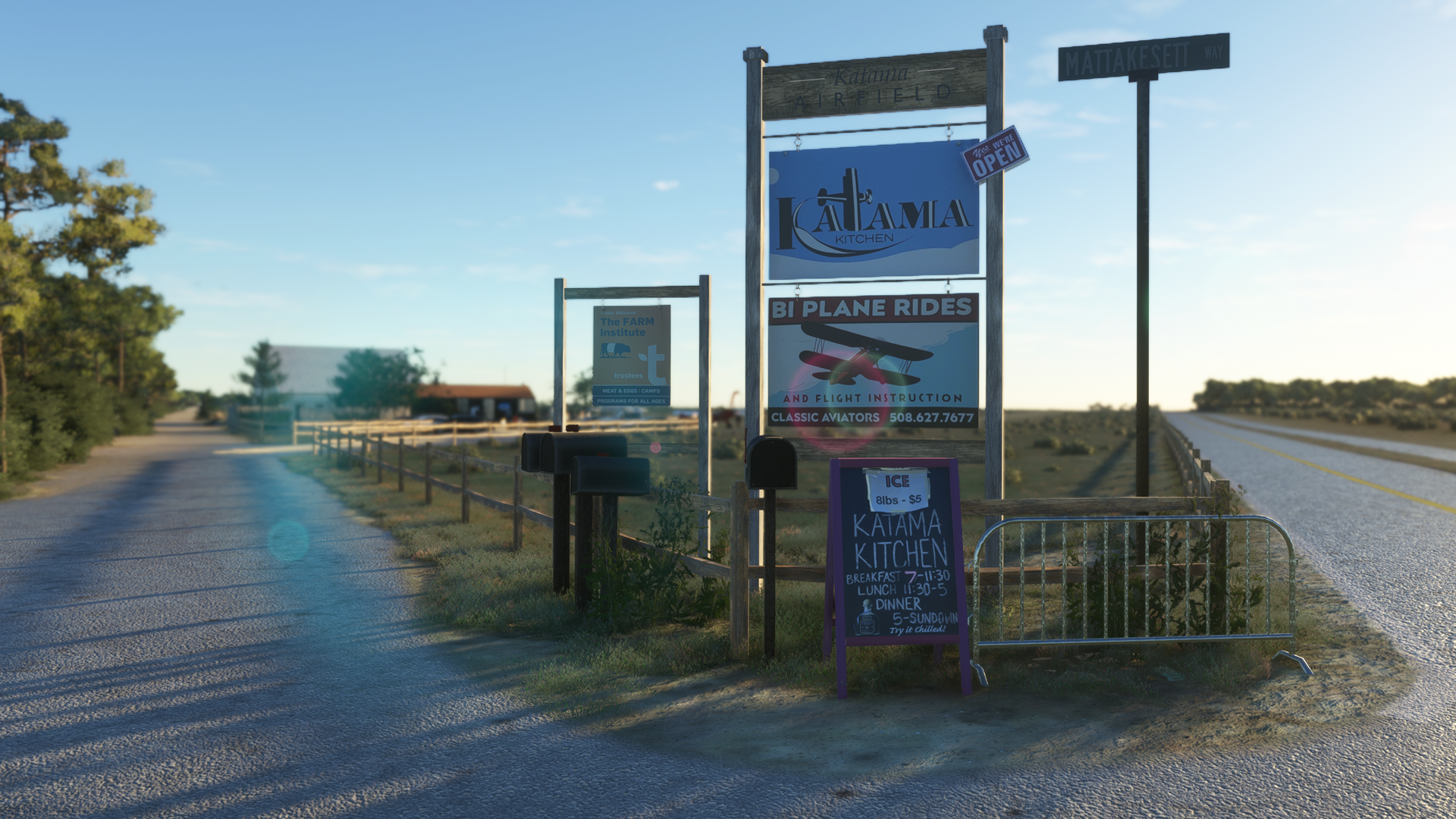
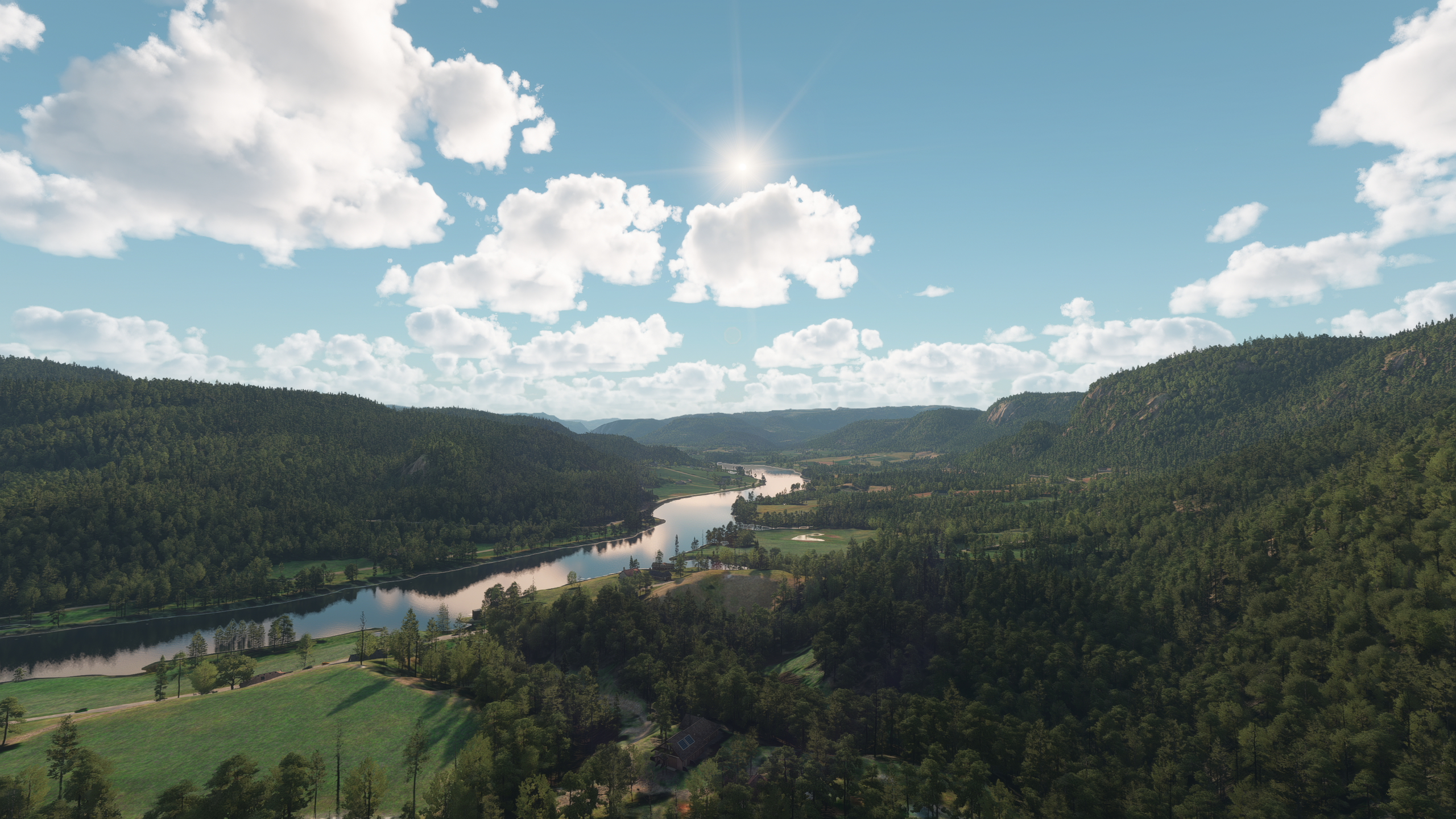
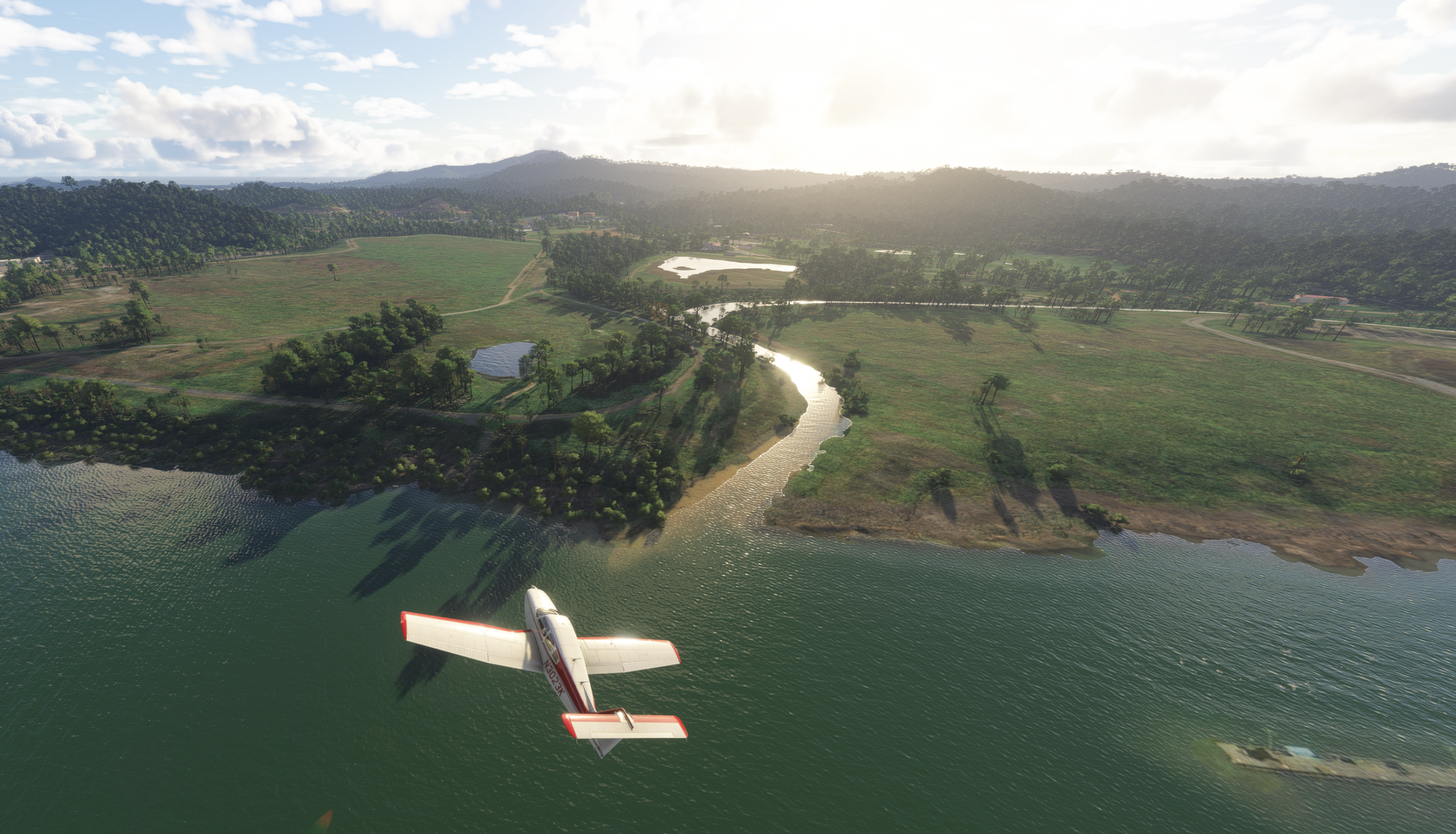
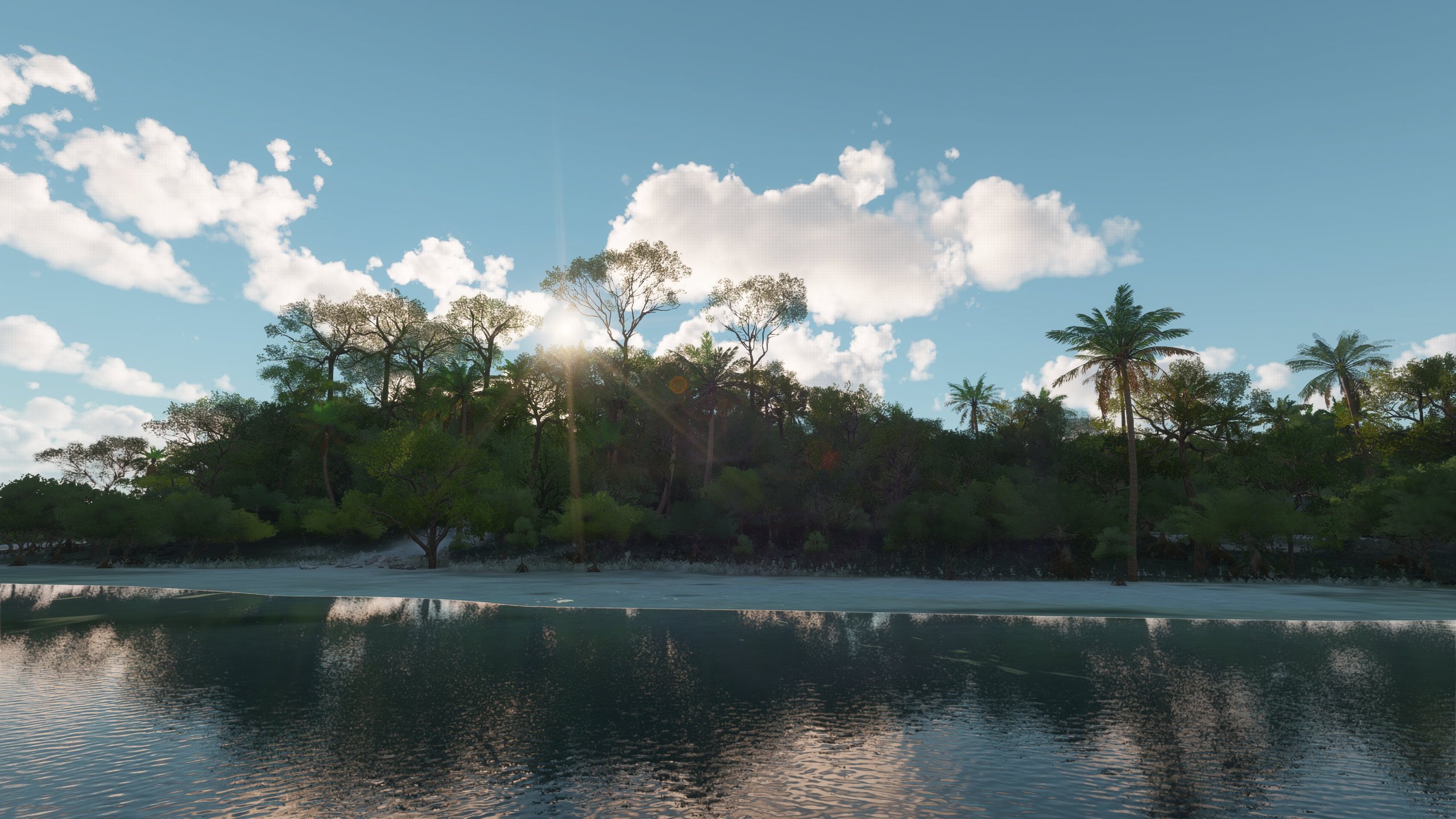
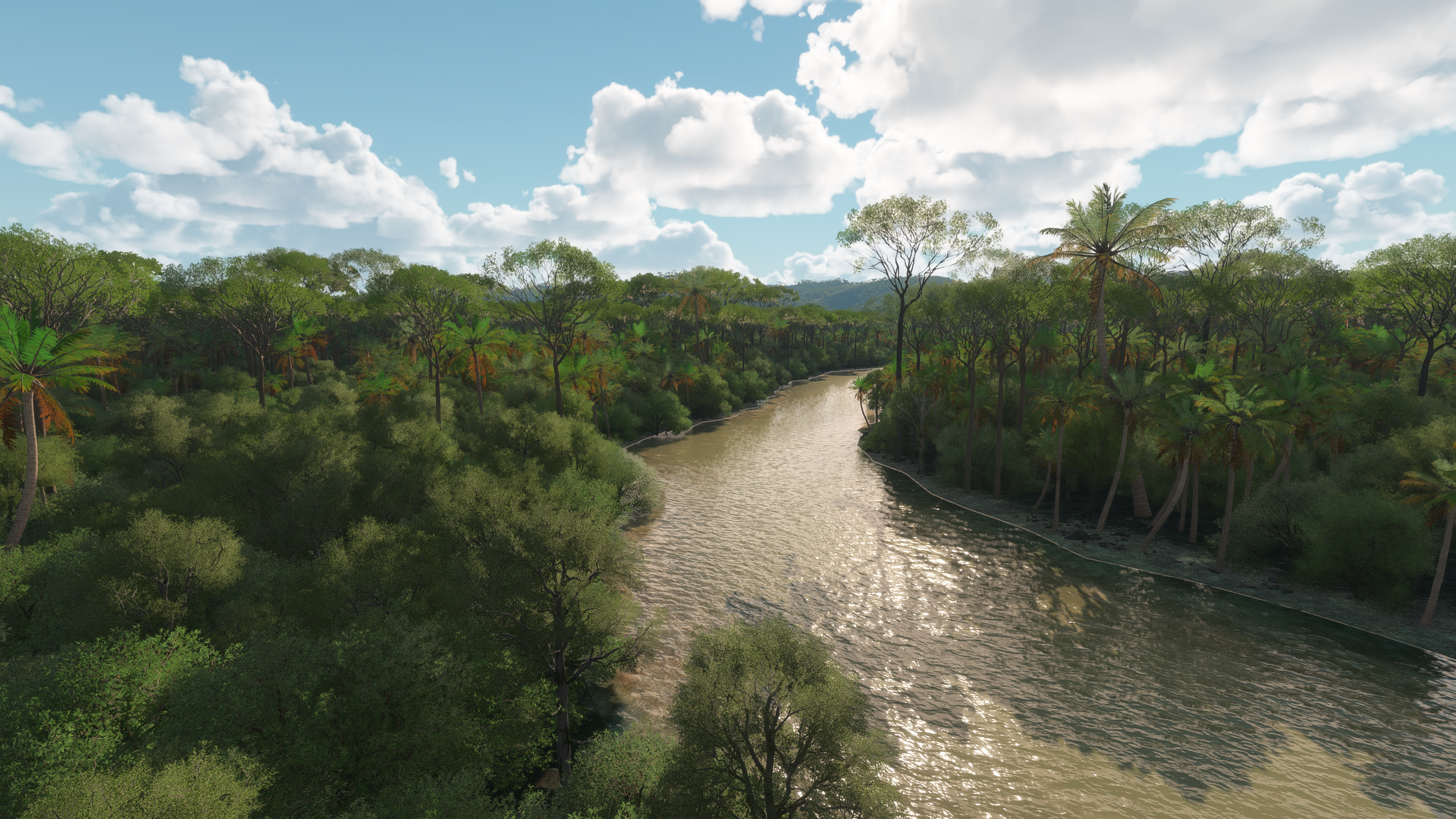
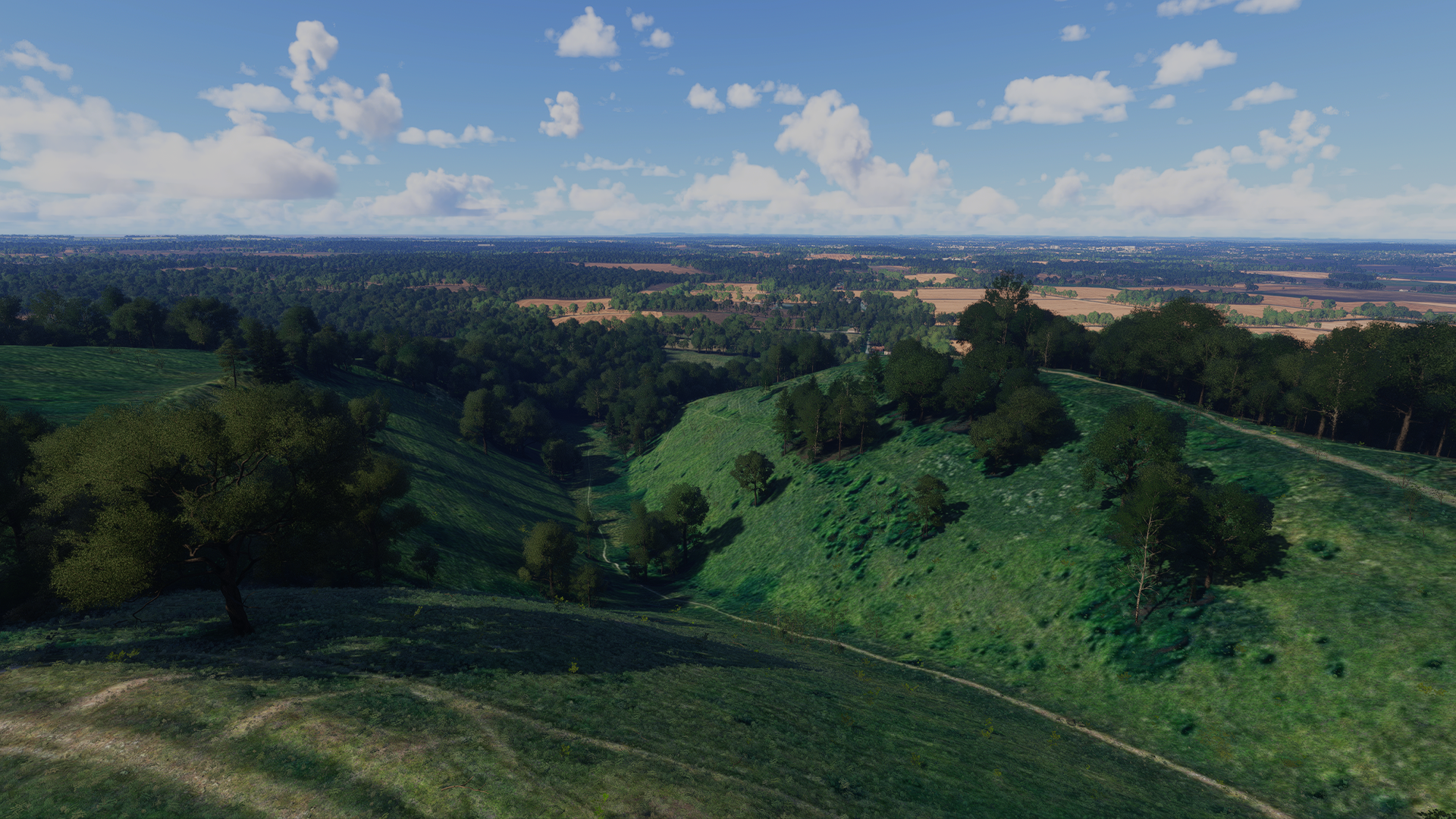
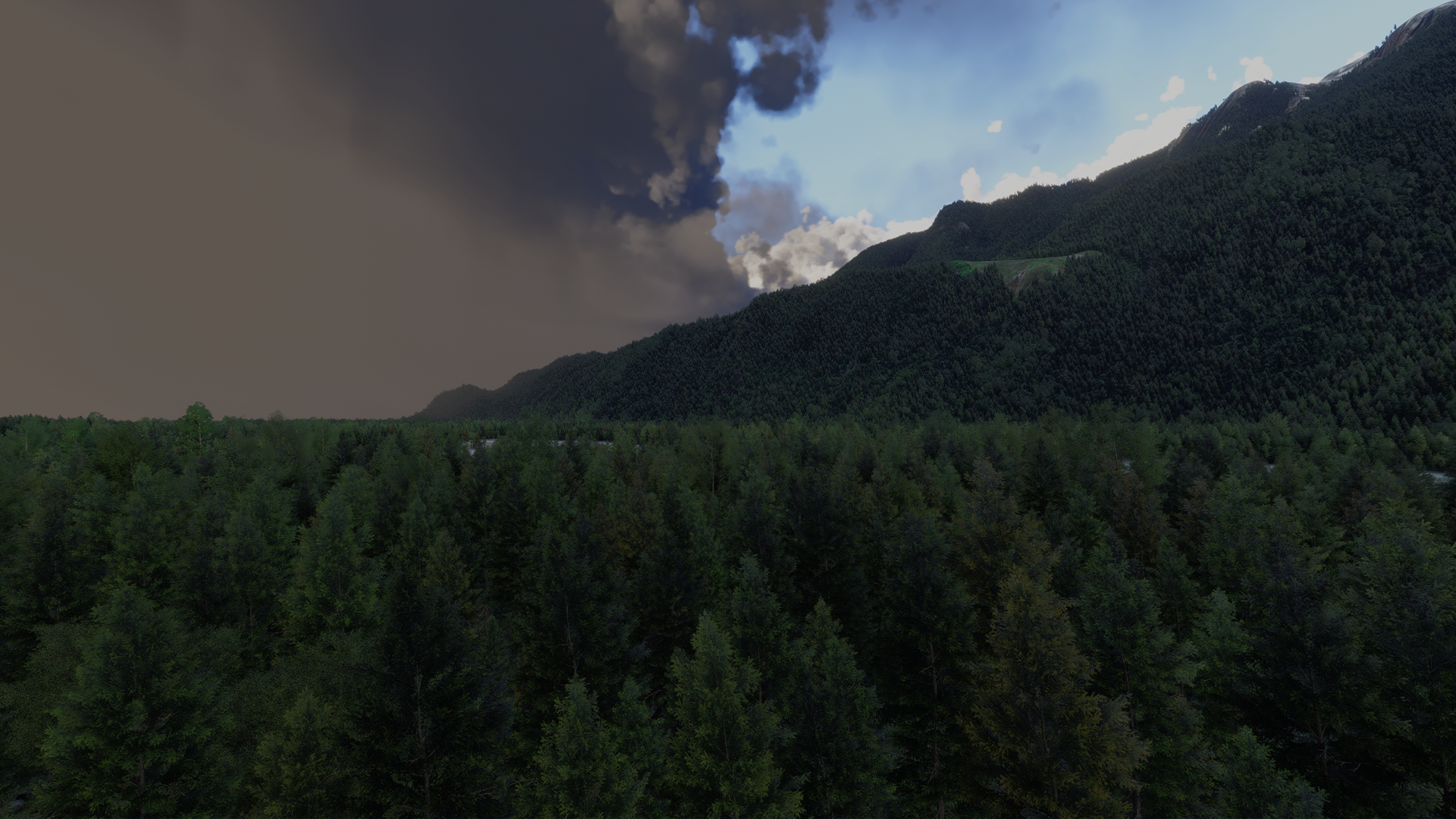
MSFS stock vs Burning Blue Design
Installation Instructions
Once you have purchased and downloaded the product, double click on the zip file to open it. You should see the product’s folder inside, this will need to be extracted and placed into your Microsoft Flight Simulator Community folder, if you don’t know where the community folder is, we have a full guide on how to install our packages here.
If you still have trouble locating your community folder this easy to follow video will help: https://www.youtube.com/watch?v=fhSkMzWLFR0
There is also a community tool called ModmanFX which makes installing and removing Microsoft Flight Simulator packages incredibly easy, you can get it here: https://www.msfsaddons.org/freeware/modmanfx
Requirements:
Minimum
Recommended
Further Information and Licensing:
A number of the static vehicles used within the scenery were 3D models used under the Creative Commons Attribution License. The models were reskinned to match their real life contemporaries. For further information and full attribution on any of the individual models please contact us here: https://burningbluedesign.com/contact/

There are no reviews yet.